Blog
How to Get Your Roof Ready for Storm Season in North Texas

Author
Chris Patterson
Published
Jun 22, 2025
Category
Tips
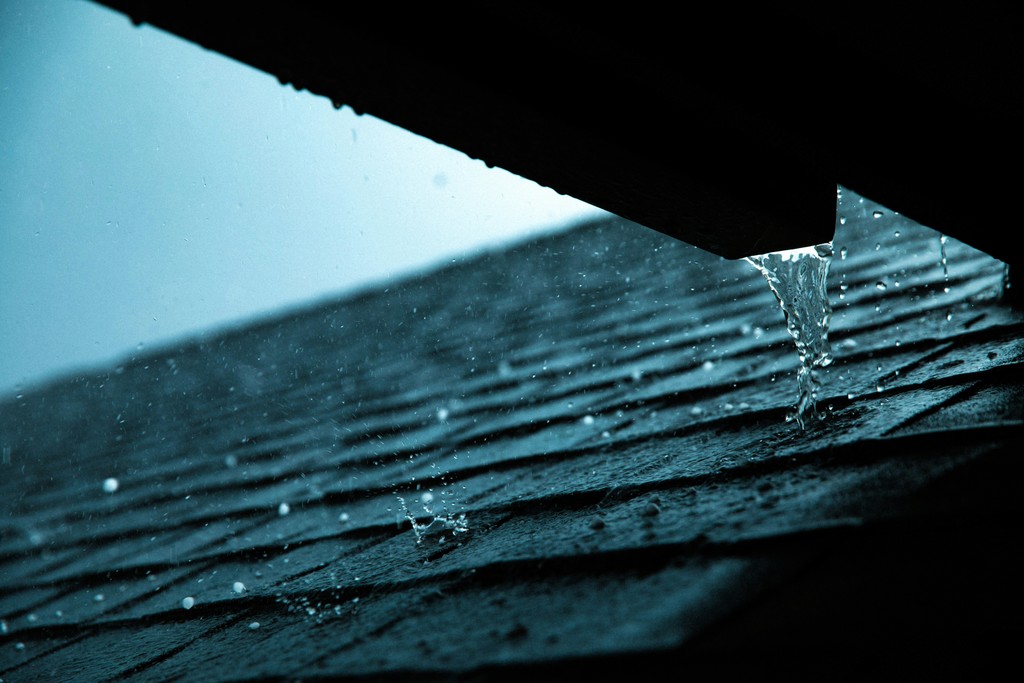
Storm season in DFW is no joke. Spring brings the worst of the hail, late spring and summer bring the straight-line winds, and fall rolls in with a second round of heavy rain. If your roof is going to fail, it's going to fail during one of these events, and the time to deal with it is before the clouds show up, not during. Here's the short list of what actually matters when you're getting a roof ready for a North Texas storm season.
Walk the perimeter and look up
You don't need to get on a ladder. Just walk around your house a couple of times from the yard and scan the roof from each side. You're looking for anything that's different from the last time you checked.
Specific things to watch for: shingles that are lifted, curled, or missing entirely; dark streaks or bare patches where granules have worn off; flashing around chimneys, vents, and skylights that looks rusted or separated; any visible sag along the roofline; and gutters that are sagging, pulling away from the fascia, or overflowing at the corners.
If something catches your eye, take a few photos on your phone. They're useful if you end up filing a claim later, and they give a roofer something to reference before they come out.
Get the gutters cleaned
This is the one thing that causes more preventable damage than anything else, and it's the one thing most homeowners skip. When gutters clog, rain has nowhere to go, so it backs up under the edge of the shingles and sits on the decking. Over time — or over a single bad storm — that's how rot starts.
Twice a year is the minimum: once in spring after oak pollen and seed drop, and once in fall after the leaves come down. If you've got big trees hanging over the roof, add a mid-season clean. While you're at it, check that the downspouts are clear and that they're actually directing water away from the foundation, not into a puddle six inches from the house.
Check the attic before the rain does
Your attic tells you what's happening on the roof before the ceiling does. Grab a flashlight and go up there for a few minutes, and look at the underside of the decking and the insulation.
What you want to see: dry framing, dry insulation, no staining, no smell. What you don't want to see: dark streaks running down the rafters, damp insulation, a musty smell, or daylight showing through anywhere. Any of those means water is already getting in, and you want that addressed before the next big rain.
While you're up there, it's worth glancing at the vents too. Blocked or disconnected attic vents trap heat and moisture, and both shorten the life of your roof.
Trim the trees
Branches hanging over the roof are two problems at once. In normal weather they scrape shingles, drop leaves into gutters, and give squirrels a runway into the attic. In a storm they snap off and land on the roof. We've pulled large limbs off customers' houses after a dozen storms over the years, and the damage is always worse than people expect.
Keep branches at least six feet clear of the roofline. If you've got trees that are leaning or look structurally iffy, get an arborist out before the season starts, not after.
When it makes sense to call a roofer
If you find anything in the walkaround or the attic that you're not sure about, that's the right time to bring someone out. A seasonal inspection takes about an hour, it's usually free around here, and it catches the things you can't see from the ground — lifted flashing, dried sealant, cracked boot gaskets around vents, early granule loss. Those are the exact failures that turn into interior damage during a hail or wind event.
Peace of mind before a storm is cheap. Emergency repairs in the middle of a rainy week are not.
If you want someone to come take a look before the next system rolls through, give us a call. We'll do a full inspection, show you photos of what we found, and tell you honestly whether anything needs to be addressed now or whether you're fine until next season.
Author
Chris Patterson
Chris is the calm in the middle of the roofing storm. Whether he’s juggling three site crews or answering your texts at 7am, he’s the reason every project stays on track and stress-free.
What’s better than insider perks, pro tips, and surprises?
Sign up to get the most recent blog articles in your email every week.
Other Blogs