Metal Roofing
Metal roofing in Fort Worth and the DFW area
Metal used to be a roof you'd see on barns and commercial buildings. Not anymore. It's become one of the most requested upgrades in the DFW area over the past several years, and for good reasons — it holds up to hail better than any other common residential material, it reflects heat instead of absorbing it, and it can last two to three times as long as asphalt. It costs more upfront, but if you're planning to stay in the house for fifteen-plus years, the math usually works in its favor.
What it is
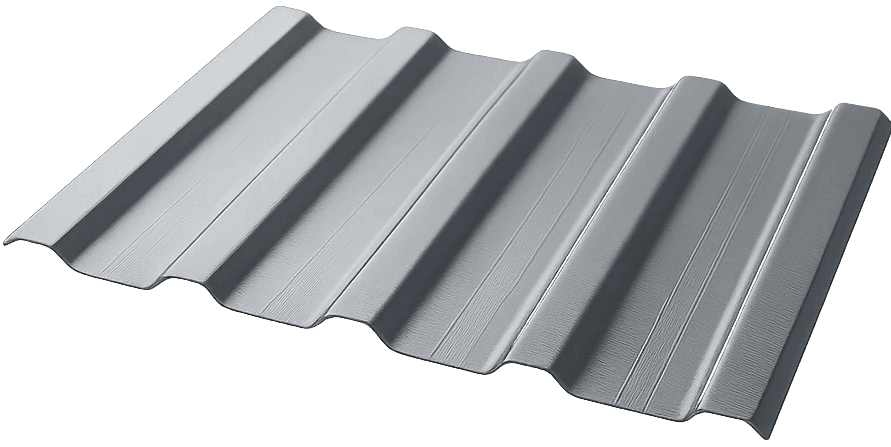
Metal roofing is exactly what it sounds like: roofing made from metal panels or shingles, installed in overlapping or interlocking profiles to create a watertight system. The three most common types in DFW:
Standing seam: Vertical metal panels with raised interlocking seams. The most popular residential metal roof style, and the best-looking option for most modern homes. Hidden fasteners, clean lines, and the best wind performance.
Exposed fastener (corrugated or R-panel): More affordable. Screws go through the face of the panel with rubber gaskets. Common on barns, shops, and lower-budget residential jobs. Easier to install, faster to repair, but shorter gasket life.
Metal shingles or tiles: Metal stamped to look like asphalt shingles, slate, or tile. Gets you the look of a different material with the performance of metal.
Best for
If you're in any of these situations, metal is worth a serious look.
Homes in hail-prone areas (which is all of DFW)
Long-term homeowners who don't want to replace a roof twice
Modern, farmhouse, ranch, and contemporary architectural styles
Homes with high cooling bills — metal reflects heat substantially better than asphalt
Customers who want the longest manufacturer warranties available
Key features
The reasons metal has been taking over higher-end residential roofs in DFW.
Exceptional hail performance — especially standing seam
Reflects solar heat, which lowers attic temperatures and cooling costs
Lightweight compared to tile (doesn't require structural reinforcement)
Fire-resistant (Class A rating)
Long warranties and long service life
Recyclable at end of life
Material composition
Several options, each with its own cost and performance profile.
Galvanized or Galvalume steel: The most common residential option. Durable, affordable, and good warranty coverage.
Aluminum: Lighter, rust-proof, better in coastal or high-humidity areas. More expensive than steel.
Copper: Premium material. Lasts 100+ years, develops a natural patina over time. Very expensive.
Zinc: Rare in residential, extremely long-lasting, self-healing scratches due to patina development.
Estimated lifespan
Longer than almost anything except slate.
Steel (galvanized or Galvalume): 40-60 years
Aluminum: 50+ years
Copper and zinc: 70-100+ years
Paint finishes: typically 30-40 years (may need refinishing before the metal itself wears out)
Cost range
Higher upfront cost, but the math usually works out.
Steel standing seam: $10.00 – $14.00 per sq. ft. installed
Steel exposed-fastener (R-panel, corrugated): $7.00 – $10.00 per sq. ft.
Aluminum: $10.00 – $16.00 per sq. ft.
Copper or zinc: $20.00+ per sq. ft.
Over a 50-year horizon, metal often ends up costing less per year than asphalt because you're not replacing it every 20 years.
Maintenance needs
Low-maintenance by roofing standards.
Occasional inspection for loose fasteners or failed sealant (more important on exposed-fastener systems)
Clearing debris, especially around valleys and penetrations
Gasket replacement on exposed-fastener systems every 15-20 years
Repainting or recoating every few decades, if desired
Visual style
More design flexibility than most people realize.
Clean, linear standing seam (modern, farmhouse, contemporary)
Traditional corrugated or R-panel (rustic, agricultural)
Metal shingles mimicking asphalt, slate, or wood shake
Stone-coated metal for a textured look
Warranty options
Among the best in the industry.
Manufacturer warranties: typically 30-50 years
Many systems offer limited lifetime warranties
Paint/finish warranties: typically 20-35 years separate from the metal itself
Workmanship warranty through CWT: 15 years
Installation time
Slightly longer than asphalt, shorter than tile.
Standing seam residential: 3-7 days
Exposed-fastener panels: 2-5 days
Requires experienced installers — metal installation mistakes show up as leaks years later
Environmental impact
One of the greenest roofing materials available.
Often contains 30-95% recycled content
Fully recyclable at end of life
Long lifespan reduces replacement frequency
Reflective coatings reduce cooling energy use (ENERGY STAR rated options available)
Fire and weather ratings
Top-tier across every category that matters in North Texas.
Class A fire rating (non-combustible)
Wind resistance of 140+ mph on standing seam systems
Excellent hail performance — standing seam systems shed hail impact energy better than any other common residential material
Class 4 impact-rated options available for maximum insurance discount potential
Available colors and styles
More than 100 color options from the major manufacturers.
Colors: Charcoal, matte black, slate gray, weathered copper, bronze, forest green, barn red, classic silver, and many custom options
Styles: Standing seam, corrugated, R-panel, metal shingles, metal tiles, stone-coated
Finishes: Matte, satin, metallic, textured, stone-coated
One thing worth knowing before you commit
Metal does expand and contract with temperature changes, which is normal and why standing seam systems use clips and floating fasteners instead of rigid attachment. In DFW, you'll occasionally hear the roof "tick" on very hot afternoons as panels move — that's normal, not a defect.
The other thing: a properly installed metal roof is effectively a buy-once decision for most homeowners. It's not the cheap option, but it's often the last roof you'll ever pay for.
Section Tag